It is a question that haunts me. A word spoken in sermons, written in books, echoed in prayers — but what does it truly mean to forgive?
For me, the answer has always felt just out of reach, like trying to grasp smoke with bare hands.
And then, one day, I witnessed forgiveness in its purest, most disarming form. Erika Kirk stood before millions and declared, with a voice steady and sure, “I forgive that man.” The man who killed her husband. The man who changed her life forever. She spoke those words not as a performance, not as an obligation, but as a truth she had chosen to live by.
Her words struck me like a drumbeat in my chest, echoing over and over: I forgive that man. I forgive that man.
I admire her courage. I admire her strength. And yet, as I watched her embody grace, I dropped to my knees in my own weakness. Because I have not known that kind of freedom. I have been chained too long to anger and hurt, bound up by betrayals that cut to the bone, held hostage by the voices that told me I was unworthy, unwanted, unloved.
Whatever forgiveness I have offered in my life has been mostly words. Words that sound good, but never reach deep enough to quiet the storm inside me. Outward gestures covering an inward suspicion — a distrust that has seeped into the marrow of my being. I have lived years with walls around my heart, walls built from betrayal, abandonment, broken promises.
When someone closest to you — someone meant to protect and cherish you — betrays a trust you believed unbreakable, how do you ever trust again? When blood turns its back, when love is withheld, when you dare to let them back in only to be deserted once more, it leaves a scar that whispers, You never mattered. You were never really loved. You are as disposable as the trash left at the curb each week.
And so, brick by brick, the fortress goes up. A fortress meant to shield me from pain, but one that has also locked me away from love. I keep people at arm’s length. I analyze their eyes, listen to their promises, already anticipating the moment they will prove untrustworthy. And when they do, when their actions betray their words, I retreat further into my fortress. Safe, but alone. Protected, but starving for connection.
It is exhausting. Exhausting to always look over your shoulder, to always doubt, to constantly remake yourself into something more “worthy” of love, as though love were a prize to be earned instead of a gift to be received. Over time, that exhaustion wears the soul down. I look in the mirror and sometimes do not know who I am anymore.
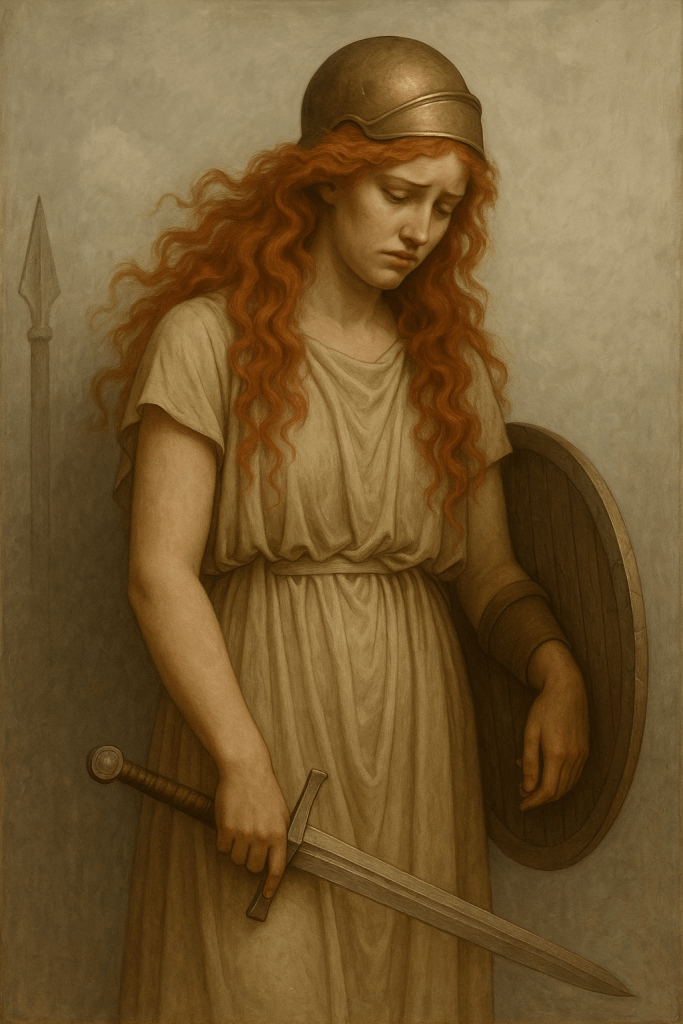
I tell myself I am not worthy. Not worthy of a new career. Not worthy of the decades I still have left. Not worthy even of the breath in my lungs or the wind on my cheek. I begin to believe my only worth is in being alone — lonely, tired, worn. A soldier who has fought too many battles, too scarred to keep fighting, too weary to even want to win.
But still, somewhere in the deepest part of me, a small voice stirs. A whisper that does not die. A desire I have not yet been able to silence.
I want to forgive.
The ones who betrayed me; the ones who left me on islands of abandonment; the one who was sent to prison, but somehow has made me the inmate.
For holding on so tightly, for building walls so high-for believing the lies that I am unworthy, unlovable, unredeemable.
I want to forgive myself for surviving the only way I knew how — by retreating, by fighting, by wearing my armor too long. And maybe, if I can find that forgiveness, peace will finally come.
Forgiveness, I am learning, is not a weakness. It is formidable and courageous. It is not pretending nothing happened. Forgiveness is power. Forgiveness is freedom. Forgiveness is setting down the sword, the shield, and the anger that weighs more than the wound itself.
I want that freedom. I want that peace. And maybe one day, like Erika Kirk, I will find the strength to stand and say the words out loud — not as an echo of what I hope for, but as the truth of who I have become:
“I forgive.”
-Ann C. Tepoorten
 Hot Takes No One Asked For
Leave a comment